
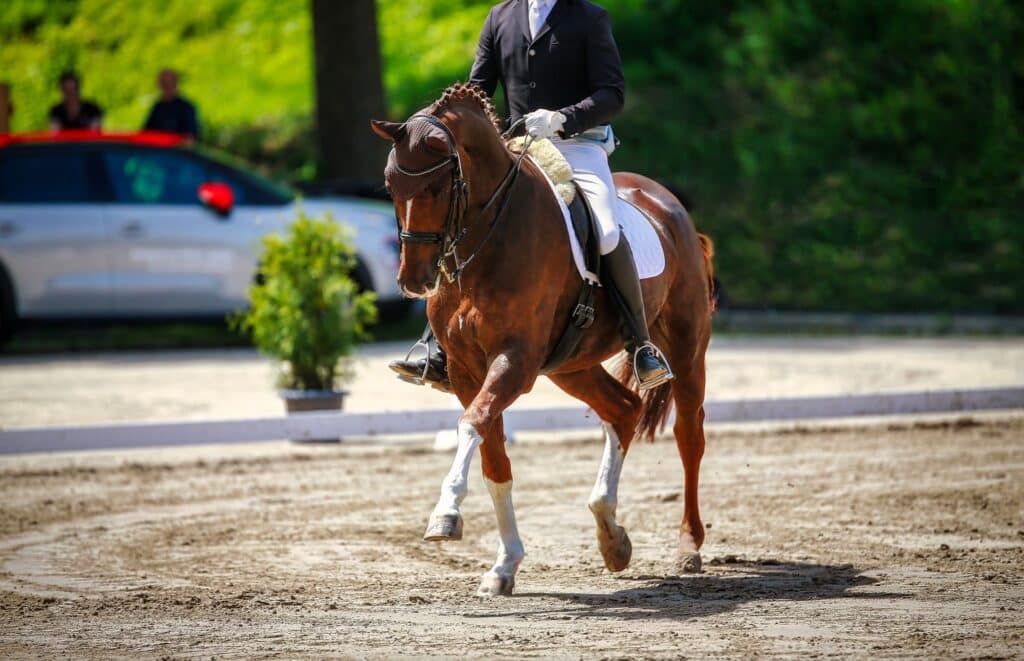
Movement in today’s arena disciplines follows a clearer logic than many newcomers expect, because modern training creates patterns that blend athletic control with well structured rhythm. Viewers who pay attention to these details discover how quickly precision, balance and situational awareness influence outcomes long before the performance reaches full speed. This article outlines the principles that define current performance styles and shows how small refinements shape impressive results. Some readers later become curious about topics such as jumping horses for sale, although the fascination begins with understanding how contemporary methods transform movement itself.
Why Modern Performance Starts With Structure
Modern performance concepts no longer rely on spontaneous decisions, because athletes prepare each movement through consistent patterns that build trust and predictability. Spectators often notice that the first moments of a round appear calm even when the upcoming sequence grows increasingly complex. This quiet preparation reflects a shift toward structured rhythm, where athletes focus on maintaining clarity rather than forcing speed. When movement unfolds in a controlled frame, it becomes easier to maintain balance and reduce tension, which in turn allows technical decisions to emerge naturally. The observer sees a smooth flow without recognising how much planning stands behind it.
How Information Flow Shapes Every Movement
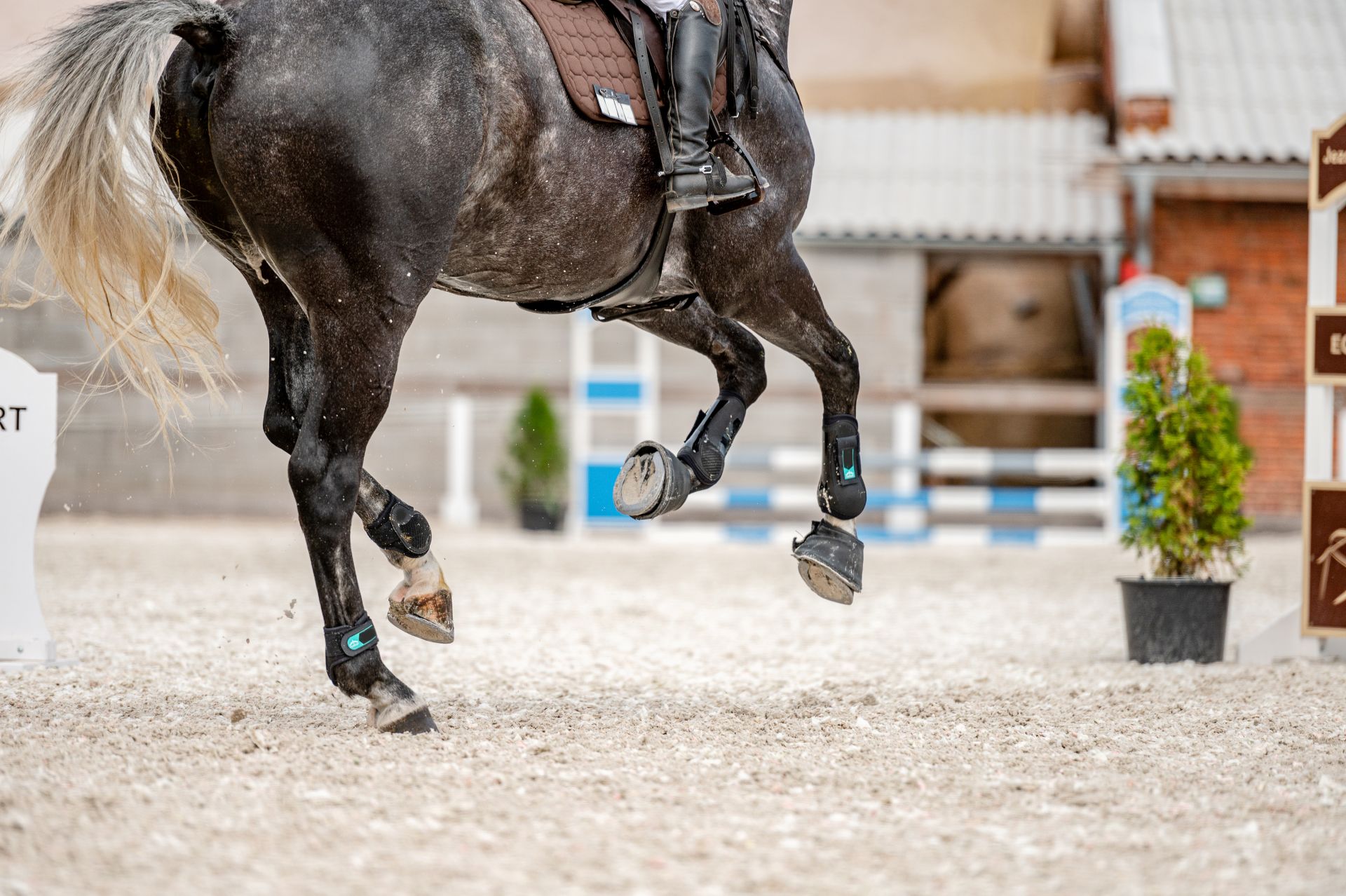
In today’s training systems, communication works like a continuous stream of micro signals rather than isolated cues. Athletes teach their partners to respond to shifts in weight, light contact and subtle changes in body tone. These elements appear almost invisible to untrained viewers, yet they determine how the entire performance unfolds. When communication remains soft and consistent, the rhythm stays steady and movement becomes easier to predict. This relationship builds trust and makes complex sequences possible. As spectators develop an eye for these small elements, they begin to recognise why technical refinement influences both safety and quality more than pure strength.
Performance Elements at a Glance
| Element | What It Contributes |
|---|---|
| Balance | Creates stability from start to finish and prevents abrupt disruptions |
| Rhythm | Establishes a steady baseline that makes technical decisions easier |
| Responsiveness | Connects subtle cues with clear reactions in both directions |
| Coordination | Ensures that movement remains organised as complexity rises |
| Focus | Maintains clarity even when speed or pressure increase |
This overview shows why successful athletes rely on a combination of structure and intuition to maintain flow throughout the performance.
How Technical Patterns Develop Over Time
Technical flow depends on careful repetition, because patterns that appear smooth during competition are the result of consistent training. Athletes begin by isolating specific aspects of movement such as tempo regulation, straightness or stability during transitions. These components gradually combine into a complete sequence that feels natural to both partners. Observers often notice how confident the performance appears when patterns stay consistent, since predictability helps create the sense of calm that viewers associate with high level work. Some enthusiasts explore further topics like jumping horses for sale, although deeper understanding usually grows from observing how technical systems evolve across training sessions.
Key Points for Viewers Who Want to Understand Modern Flow
• Watch how the tempo develops during the first seconds, because early rhythm sets the foundation for later precision.
• Look for small posture adjustments that reveal how the athlete prepares for upcoming challenges.
• Notice how smoothly transitions unfold, since clean transitions indicate a well structured concept.
• Observe whether movement stays regular throughout the sequence, because irregularities suggest tension or miscommunication.
• Pay attention to how confidently the athlete manages complexity, especially when the environment becomes demanding.
These points help viewers recognise the elements that define modern arena performance and allow them to follow the entire sequence with more clarity.
Why Today’s Logic Creates Stronger Performances
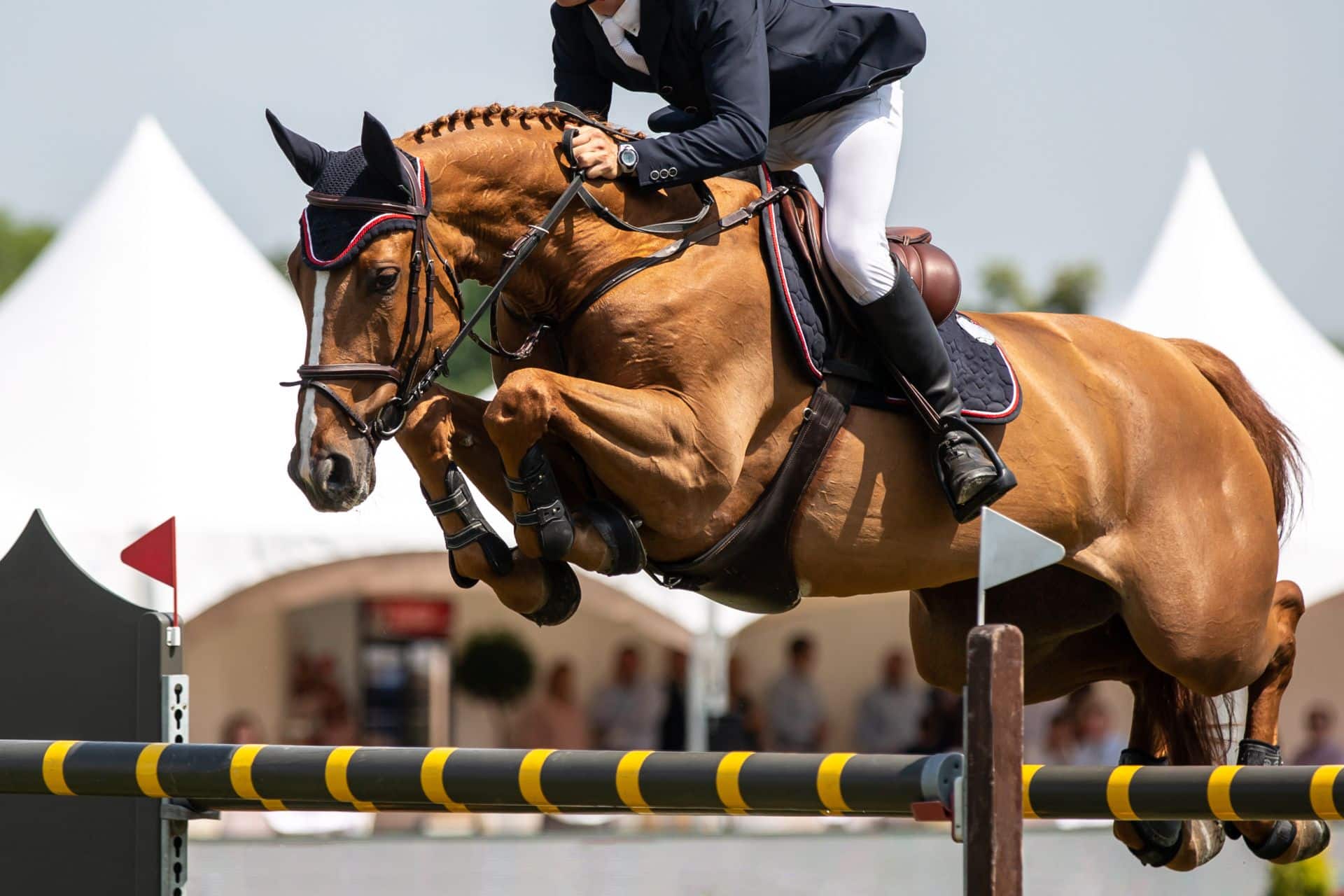
The contemporary approach emphasises softness, predictability and functional technique rather than external showmanship. This shift makes performances appear cleaner, more balanced and easier to understand even for newcomers. Since each movement builds logically on the previous one, spectators begin to follow the unfolding structure instead of viewing the sequence as a series of isolated actions. Over time, this clarity introduces viewers to the deeper aspects of the discipline, encouraging them to explore advanced concepts and performance details. Some continue their interest by studying resources such as jumping horses for sale or engaging with specialised material on training systems, although the foundation of fascination remains the refined logic behind the movement itself.
For those who want to dive deeper into the world of performance horses, the resource https://www.jw-horses.com/en/jumping-horses-for-sale offers an entry point into further exploration.
Horse Types and Their Core Strengths
| Horse Type | Key Qualities | Ideal Use Cases | Spectator Impression |
|---|---|---|---|
| Warmblood | Balanced power, clear rhythm, cooperative mindset | Technical arena work, precise pattern sequences | Smooth, well organised movement with visible control 😌 |
| Thoroughbred | High stamina, strong acceleration, sharp reactions | Speed oriented disciplines, long stretches | Energetic, forward focused action that feels intense ⚡ |
| Baroque Breed | Collected posture, expressive steps, natural elevation | Artistic sequences, controlled pattern work | Impressive silhouette with defined gestures ✨ |
| Western Type | Quick hindquarter action, agility, calm energy | Pattern tasks, circles, short technical elements | Compact, precise movements with clean turns 🎯 |
| Endurance Type | Efficient stride, long term focus, light frame | Long distance courses, steady pacing | Relaxed, economical motion suited for long phases 🌿 |
Many enthusiasts who compare horse types eventually explore advanced topics such as jumping horses for sale, although understanding these core characteristics remains the best foundation for interpreting performance.
A Closing Thought on Modern Performance Logic
Today’s arena based styles demonstrate that powerful movement becomes impressive only when guided by rhythm, communication and structural clarity. As spectators learn to observe these elements, they uncover a more nuanced world where every detail contributes to the final result. This understanding increases appreciation for the discipline and keeps viewers returning to study how patterns evolve, refine and ultimately shape the elegance of modern performance.
Image source: Marcin Kilarski/Wirestock, Eliška, RD-Fotografie/Adobe Stock
